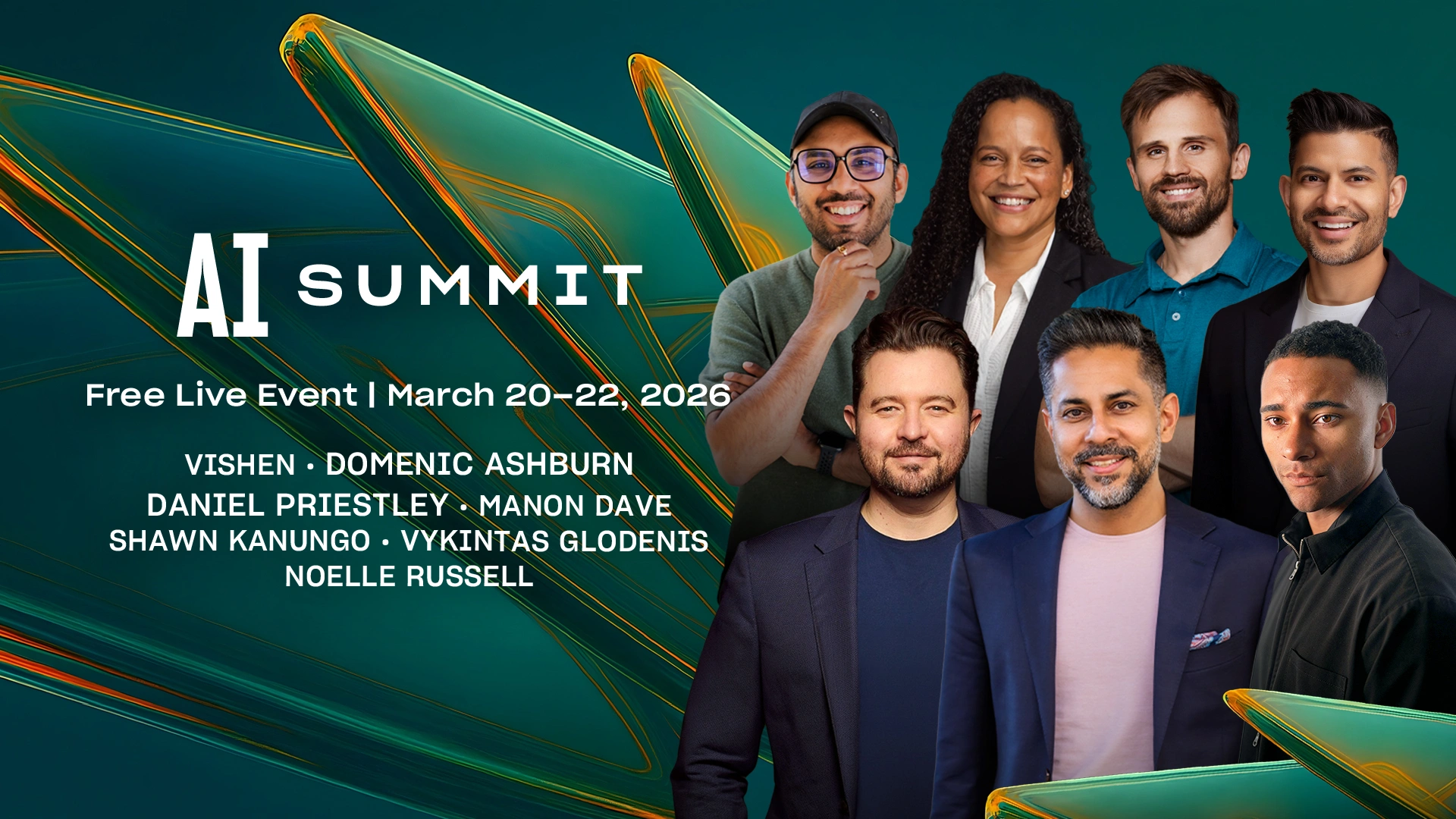
I think membership is about $400/year, or they have a monthly option as well. I signed up a year ago as a member during a promotion for $199/year, and I keep that price forever if I stay a member.
I asked ChatGPT to compare it to Scientology:
ChatGPT:
Now this is a fascinating side-by-side

because on the surface, both talk about “human potential”… but underneath, they are built on very different engines.
Let’s put them on the table and dissect them cleanly.
 Mindvalley vs Scientology — Core DNA
 Mindvalley (modern self-improvement platform)
- Decentralized ideas (many teachers)
- коммерcial platform selling growth experiences
- Mix of psychology, spirituality, and performance
- Flexible belief system
 Scientology (high-control religious system)
- Centralized doctrine created by L. Ron Hubbard
- Structured belief system presented as absolute truth
- Hierarchical organization
- Claims of spiritual salvation and supernatural abilities
⚖ The Real Comparison (where it matters)
1.  Truth claims
Scientology
Truth claims
Scientology
- “This is the exact truth about the mind, life, and the universe”
- Claims:
- past lives
- engrams
- supernatural states (Operating Thetan)
 Non-negotiable belief system
Mindvalley
- “Here are tools, ideas, and perspectives to improve your life”
- Mix of:
- evidence-based concepts
- speculative or fringe ideas
Pick-and-choose belief buffet 🍽
2.  Authority structure
Scientology
Authority structure
Scientology
- Ultimate authority: Hubbard (unchangeable doctrine)
- Leadership enforces orthodoxy
Questioning = risk
Mindvalley
- Founder Vishen Lakhiani is influential, but:
- dozens of independent teachers
- no single required doctrine
Disagreement is allowed (and common)
3.  Money mechanics
Scientology
Money mechanics
Scientology
- Pay-to-progress up a strict spiritual ladder
- Costs can reach hundreds of thousands
- Financial pressure tied to salvation
Money = spiritual advancement
Mindvalley
- Subscription + upsells
- High-ticket programs exist, but:
- not required for “progress”
- no fixed ladder you must climb
Money = access to experiences
4. Psychological control
Scientology
- Auditing (deep personal disclosure)
- Internal files on members
- Control of information
- Indoctrination against critics
High-control environment
Mindvalley
- Motivational content, visualization, mindset training
- No surveillance or confession systems
- No institutional tracking of your thoughts
Influence, not control
5.  Leaving the system
Scientology
Leaving the system
Scientology
- Risk of:
- disconnection from family
- harassment or pressure
- Leaving can be traumatic
Exit cost:
very high
Mindvalley
- Cancel subscription, move on
- No retaliation, no social punishment
Exit cost:
near zero
6.  Identity & belonging
Scientology
Identity & belonging
Scientology
- Identity becomes:
- Strong in-group vs out-group dynamic
Mindvalley
- Identity becomes:
- “growth-oriented,” “conscious,” etc.
- But:
- not exclusive
- no hard boundary with outsiders
More like a
lifestyle vibe than a locked identity
The clearest way to see the difference
Think of it like two very different machines:
Scientology
- One truth
- One path
- Controlled environment
Mindvalley
- Many ideas
- Optional participation
- Open ecosystem
⚠ Where they superficially overlap
This is where people get confused:
- Big promises about human potential
- Charismatic speakers
- Expensive programs
- Emotional transformation narratives
These are
shared aesthetics, not shared structure
Your lens (this is where you’ll see sharply)
Given your experience, you’ll probably recognize in Scientology:
- The “only we have the answer” claim
- The escalating commitment trap
- The control over perception and relationships
And in Mindvalley:
- The aspirational marketing
- The guru-style presentation
- Occasional overstated claims
But crucially:
Bottom line
Scientology
➡ High-control belief system with documented coercive elements
Mindvalley
➡ Commercial self-improvement platform with some persuasive and identity-building features, but
no systemic control





 The Real Comparison (where it matters)


 Where they superficially overlap
 High-control belief system with documented coercive elements