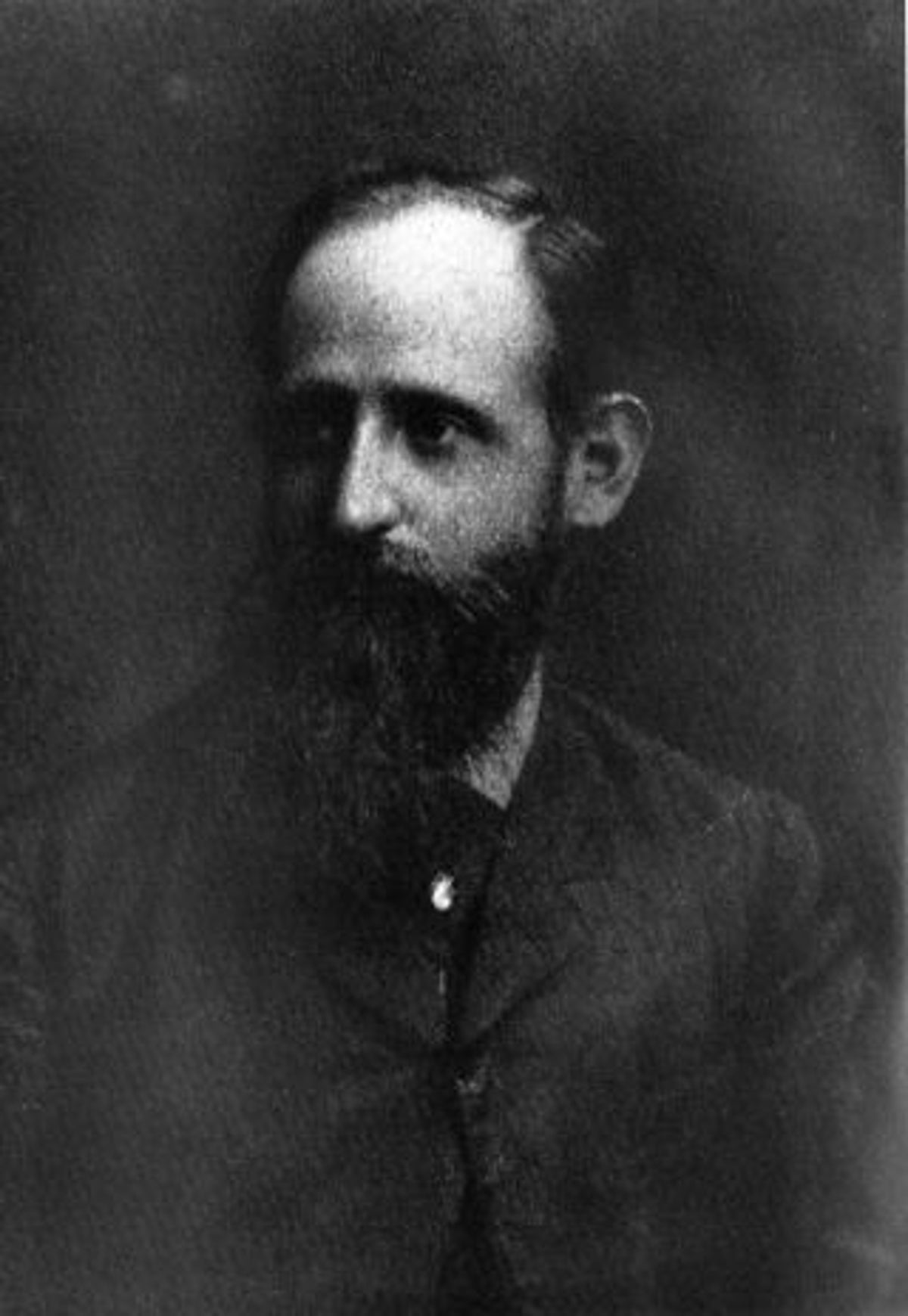
Forgive my nitpicking, but it's Josef Breuer, Freud's early mentor and collaborator, not Freud.
"According to Breuer’s theory of hysteria, the
illness begins when someone is exposed to psychic trauma, which he defined as any situation with a risk of serious physical or emotional injury. If the individual is unable to feel and express the emotions related to the traumatic experience, they are dissociated, that is, isolated in a separate state of consciousness that is inaccessible to ordinary awareness. Here, Breuer acknowledged and built on the pioneering work of French psychiatrist,
Pierre Janet, who was the first to assert the importance of dissociation in mental illness. Breuer called this altered state of consciousness the
hypnoid state, owing to its similarity to the state induced by hypnosis.
Recovery and healing require accessing and expressing the dissociated emotions, through catharsis, and integrating them with the ideas in normal consciousness, a process he called associative correction.
"If we compare Breuer’s theory with Freud’s formulation of psychoanalysis, there are three main differences: psychic trauma (Breuer) vs. sexual conflict (Freud) as the primary cause of psychopathology, hypnoid states (dissociation) vs. repression (defense) as the primary mechanism, and emotional expression (catharsis) vs. interpretation (analysis) as the primary means of recovery.
Ironically, in each of those points, the modern view of psychotherapy has increasingly come to favor Breuer."

blogs.scientificamerican.com
And welcome aboard,
@Michael Mason.