

Karen#1
Well-known member
Why Scientology's fight over 'Snow White' files is coming up in Trump civil lawsuit
Tony Ortega
Mar 20, 2025
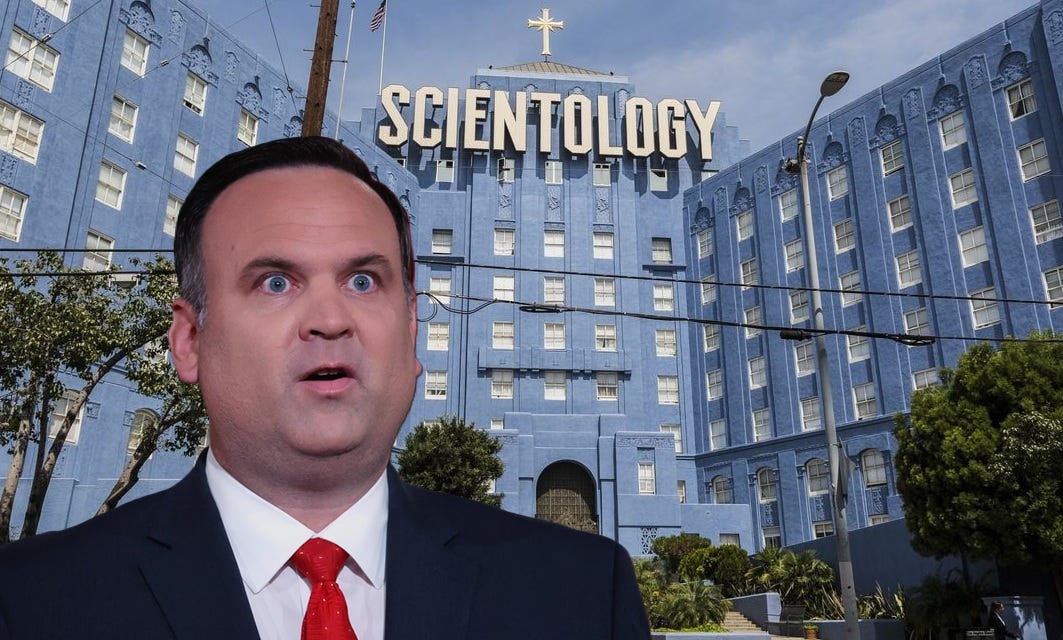
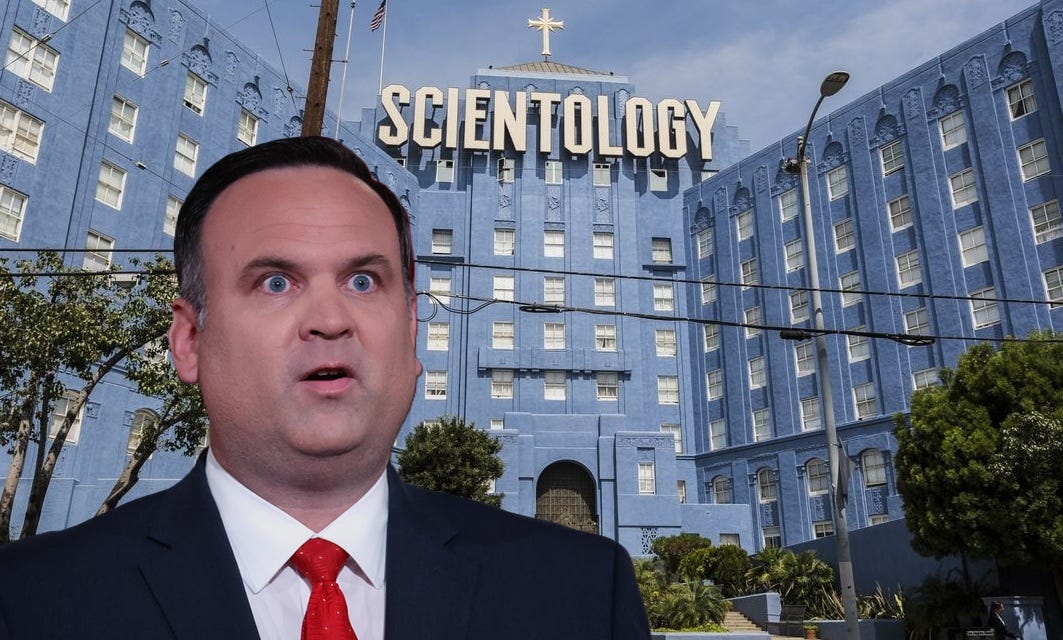
[Trump pal Dan Scavino is taking inspiration from Scientology's legal tactics]
Nonprofit news service NOTUS (News of the United States) yesterday noted an ironic legal situation involving President Donald Trump’s deputy chief of staff Dan Scavino.
Although Scavino has been running Trump’s social media strategy for a decade, and presumably enjoys being a part of the second Trump presidential administration, in court Scavino is arguing that sealed records associating him with Trump should not be made public because of the likelihood that they will ruin his reputation.
“The current political climate and the observable news cycles over the last nine years have demonstrated that revealing inoffensive details about one’s involvement with President Trump’s administration, particularly in the matters discussed in the sealed exhibits, would likely lead to public degradation,” Scavino’s lawyer Mark P. Nobile told a DC court.
The sealed exhibits have to do with investigations of the January 6, 2021 insurrection, which is still the subject of civil lawsuits. And Scavino doesn’t want some of that evidence becoming public because, he argues, it doesn’t look good to be helping out Trump.
But then, the detail that really made it more interesting for us — and that Raw Story grabbed and put in its headline on its rewrite — was that for legal support Scavino’s attorneys are citing a 1980 case involving none other than the Church of Scientology.
As Jose Pagliery described it for NOTUS:
But, oh, do we know it well.
It makes up a substantial portion of our book about Paulette Cooper, The Unbreakable Miss Lovely, and it relates, of course, to the “Snow White Program” — Scientology’s 1970s infiltration of the US government — and the subsequent 1977 FBI raid of church offices in Los Angeles and DC.
Here’s a very brief outline of what went down, and we hope you have a chance to take in the longer version that we put together in Unbreakable.
After a couple of years of spying, infiltration, break-ins and burglaries at numerous government agencies, a couple of Scientology operatives were stopped and questioned by one of the FBI’s first female agents, Christine Hansen, at the DC Law Library in June, 1976. One of those operatives, Michael Meisner, was put under heavy guard by Scientology after his arrest as the church tried to figure out how to keep its involvement a secret. After Meisner got sick of his confinement, he made a run for it in 1977, informed the FBI about what was going on, and that resulted in the July 8, 1977 raid.
Scientology reacted to the raid with heavy lawfare, arguing that it was an illegal search, and demanded that the seized evidence be returned.
How many documents were taken in the raid? The court records cited in yesterday’s stories say 50,000. But Scientology itself wrote a history of the Snow White prosecution and said it was 48,149 files with a total of 100,124 pages.
Scientology’s heavy attack produced results: While the court considered the church’s objections, it instructed the FBI and Justice Department to keep quiet about what was in the documents. It was a smart move by the church, as news of the raid quickly faded in the press.
But then, in April 1978 there was a bombshell: The Washington Post, in two stories on April 28 and 29, shocked readers by saying that the FBI’s evidence described something that called itself a church but operated more like a criminal intelligence agency, with elaborate spying operations spelled out in detail. In particular, wrote Post reporter Ron Shaffer, the church had targeted a woman named Paulette Cooper.
It was the first public acknowledgment of what Paulette had been saying for years, that she was the subject of a complex and sadistic operation to silence her, drive her insane, or get her imprisoned.
And Shaffer’s stories, about Paulette and also about the bizarre targeting of Clearwater, Florida mayor Gabe Cazares, reflected only a tiny portion of what the FBI was sitting on.
Later that year, in August 1978, nine top Scientology officials, including Mary Sue Hubbard — wife of founder L. Ron Hubbard — were indicted for conspiracy and various other charges. (Two more Scientologists would be extradited from England later for a total of 11 facing prosecution.)
The case went through a couple of judges before Judge Charles Richey was assigned to it in February 1979. That summer, he traveled to Los Angeles with two marshals for protection in an effort to make the preliminary moves in the criminal case more convenient for the defendants, who were in LA. And mainly, the fight that summer was over Scientology’s argument that the raid had been illegal and the evidence tainted. When Judge Richey ruled that wasn’t the case and the Justice Department could proceed, the nine defendants decided to plead guilty, foregoing a trial.
It’s pretty clear to us that they did this in part to keep those 100,000 pages of evidence from being used in court and therefore available to the public. The nine initial defendants fell on their swords, and it seems obvious it was to protect Scientology from even more scrutiny.
But then Judge Richey did something kind of remarkable. Even if only a tiny percentage of those 100,000 pages had been used so far in the case, the judge and the FBI knew the picture those documents revealed of this nefarious organization.
And so, after Judge Richey sentenced the nine in December 1979, he announced that he was releasing a large percentage of the evidence to the public.
Scientology blew a gasket.
 tonyortega.substack.com
Tony Ortega
Mar 20, 2025
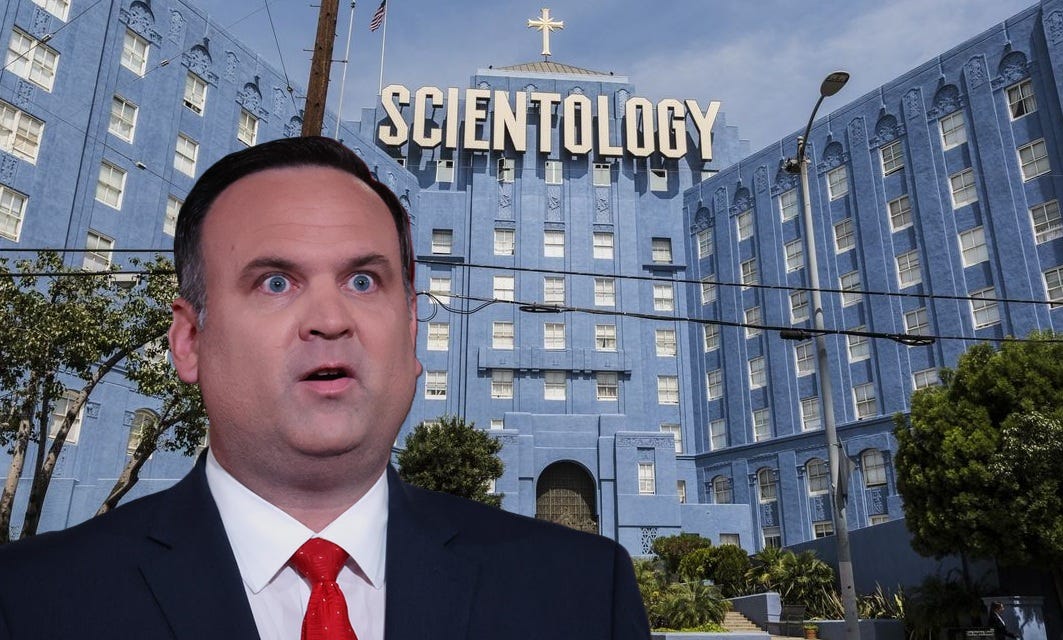
[Trump pal Dan Scavino is taking inspiration from Scientology's legal tactics]
Nonprofit news service NOTUS (News of the United States) yesterday noted an ironic legal situation involving President Donald Trump’s deputy chief of staff Dan Scavino.
Although Scavino has been running Trump’s social media strategy for a decade, and presumably enjoys being a part of the second Trump presidential administration, in court Scavino is arguing that sealed records associating him with Trump should not be made public because of the likelihood that they will ruin his reputation.
“The current political climate and the observable news cycles over the last nine years have demonstrated that revealing inoffensive details about one’s involvement with President Trump’s administration, particularly in the matters discussed in the sealed exhibits, would likely lead to public degradation,” Scavino’s lawyer Mark P. Nobile told a DC court.
The sealed exhibits have to do with investigations of the January 6, 2021 insurrection, which is still the subject of civil lawsuits. And Scavino doesn’t want some of that evidence becoming public because, he argues, it doesn’t look good to be helping out Trump.
But then, the detail that really made it more interesting for us — and that Raw Story grabbed and put in its headline on its rewrite — was that for legal support Scavino’s attorneys are citing a 1980 case involving none other than the Church of Scientology.
As Jose Pagliery described it for NOTUS:
Raw Story said essentially the same thing, but neither of them went into any detail about that 1980 Scientology case.But the bulk of his argument for keeping it secret rests on the idea that whatever is in those exhibits would be embarrassing, with his lawyer relying on a legal precedent stemming from a 1980 case that frowned upon the way a lower court judge released records in a case involving the government seizure of some 50,000 documents from the Church of Scientology in Los Angeles.
But, oh, do we know it well.
It makes up a substantial portion of our book about Paulette Cooper, The Unbreakable Miss Lovely, and it relates, of course, to the “Snow White Program” — Scientology’s 1970s infiltration of the US government — and the subsequent 1977 FBI raid of church offices in Los Angeles and DC.
Here’s a very brief outline of what went down, and we hope you have a chance to take in the longer version that we put together in Unbreakable.
After a couple of years of spying, infiltration, break-ins and burglaries at numerous government agencies, a couple of Scientology operatives were stopped and questioned by one of the FBI’s first female agents, Christine Hansen, at the DC Law Library in June, 1976. One of those operatives, Michael Meisner, was put under heavy guard by Scientology after his arrest as the church tried to figure out how to keep its involvement a secret. After Meisner got sick of his confinement, he made a run for it in 1977, informed the FBI about what was going on, and that resulted in the July 8, 1977 raid.
Scientology reacted to the raid with heavy lawfare, arguing that it was an illegal search, and demanded that the seized evidence be returned.
How many documents were taken in the raid? The court records cited in yesterday’s stories say 50,000. But Scientology itself wrote a history of the Snow White prosecution and said it was 48,149 files with a total of 100,124 pages.
Scientology’s heavy attack produced results: While the court considered the church’s objections, it instructed the FBI and Justice Department to keep quiet about what was in the documents. It was a smart move by the church, as news of the raid quickly faded in the press.
But then, in April 1978 there was a bombshell: The Washington Post, in two stories on April 28 and 29, shocked readers by saying that the FBI’s evidence described something that called itself a church but operated more like a criminal intelligence agency, with elaborate spying operations spelled out in detail. In particular, wrote Post reporter Ron Shaffer, the church had targeted a woman named Paulette Cooper.
It was the first public acknowledgment of what Paulette had been saying for years, that she was the subject of a complex and sadistic operation to silence her, drive her insane, or get her imprisoned.
And Shaffer’s stories, about Paulette and also about the bizarre targeting of Clearwater, Florida mayor Gabe Cazares, reflected only a tiny portion of what the FBI was sitting on.
Later that year, in August 1978, nine top Scientology officials, including Mary Sue Hubbard — wife of founder L. Ron Hubbard — were indicted for conspiracy and various other charges. (Two more Scientologists would be extradited from England later for a total of 11 facing prosecution.)
The case went through a couple of judges before Judge Charles Richey was assigned to it in February 1979. That summer, he traveled to Los Angeles with two marshals for protection in an effort to make the preliminary moves in the criminal case more convenient for the defendants, who were in LA. And mainly, the fight that summer was over Scientology’s argument that the raid had been illegal and the evidence tainted. When Judge Richey ruled that wasn’t the case and the Justice Department could proceed, the nine defendants decided to plead guilty, foregoing a trial.
It’s pretty clear to us that they did this in part to keep those 100,000 pages of evidence from being used in court and therefore available to the public. The nine initial defendants fell on their swords, and it seems obvious it was to protect Scientology from even more scrutiny.
But then Judge Richey did something kind of remarkable. Even if only a tiny percentage of those 100,000 pages had been used so far in the case, the judge and the FBI knew the picture those documents revealed of this nefarious organization.
And so, after Judge Richey sentenced the nine in December 1979, he announced that he was releasing a large percentage of the evidence to the public.
Scientology blew a gasket.
Why Scientology's fight over 'Snow White' files is coming up in Trump civil lawsuit
Nonprofit news service NOTUS (News of the United States) yesterday noted an ironic legal situation involving President Donald Trump’s deputy chief of staff Dan Scavino.
tonyortega.substack.com

